

I would put used coffee grounds in the compost, not directly into a Monstera pot. They are not a dependable replacement for fertilizer, and adding kitchen waste makes the potting mix harder to manage. A well-drained mix and measured feeding are more predictable.
The distinction is between using grounds as an ingredient in compost and asking a houseplant pot to do the composting. Those are different jobs.
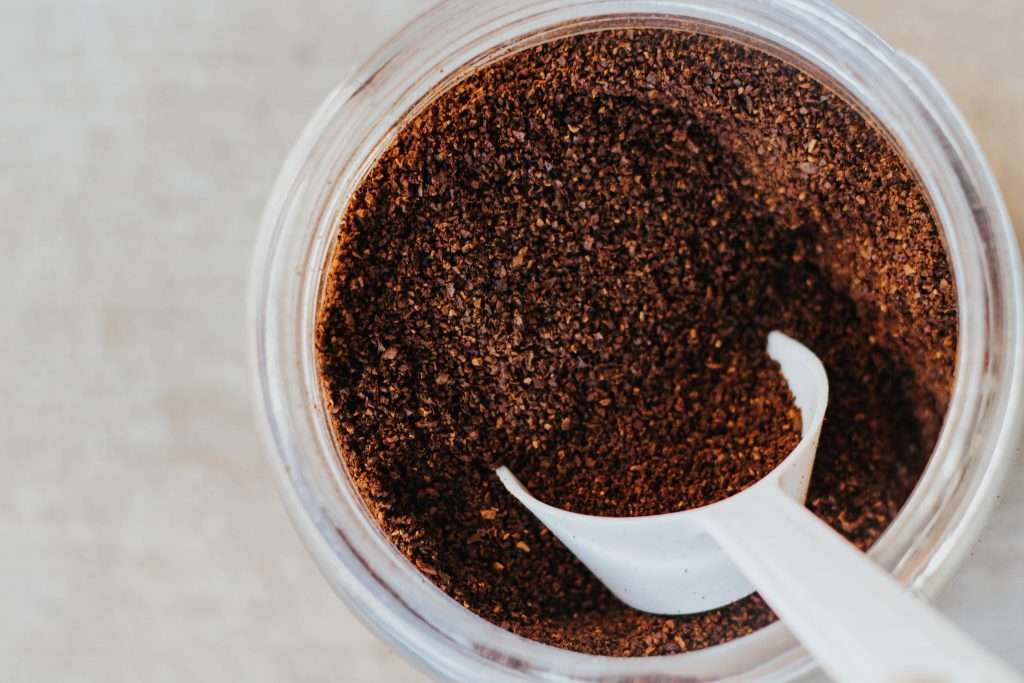
Do coffee grounds feed a Monstera?
Coffee grounds contain nutrients, but that does not make them a complete plant food. Oregon State University explains that they are not a major source of plant nutrition. Microorganisms breaking down the grounds can temporarily tie up nitrogen, and excess uncomposted grounds may inhibit plant growth.
That evidence does not prove that every spoonful will harm a Monstera. It does mean there is little reason to choose grounds when you want a controlled feeding routine. You cannot read a reliable dose for your plant from a scoop of used coffee.
Use a fertilizer intended for houseplants and follow its instructions. If the plant is struggling, check its growing conditions first instead of assuming it needs more food.
Will grounds improve drainage or make the soil acidic?
Do not substitute coffee grounds for perlite or another ingredient chosen to aerate a container mix. Advice about improving soil in a garden bed does not provide a recipe for the small, confined root zone in a houseplant pot.
Used grounds are also not a reliable way to adjust acidity. Oregon State reports that brewed grounds are close to neutral and that their effect on soil pH is temporary. Its guidance on coffee grounds is a reason to be cautious about the common “acid-loving plants need coffee” shortcut.
For a Monstera, choose the mix for how it holds and releases water. If water drains poorly or the mix stays wet much longer than it used to, adding another ingredient on top will not tell you what has gone wrong.
What if you already put grounds in the pot?
Start with observation rather than an emergency repot. A light sprinkle on a plant that is growing normally is different from a thick layer on wet soil.
- Stop adding more grounds.
- If loose grounds are sitting on top, gently lift off what you can without digging through the roots.
- Check whether the pot drains and whether water is collecting in its saucer or outer container.
- Watch the plant and the moisture in the mix. If the root zone remains soggy or the plant declines, investigate the watering and root condition rather than adding fertilizer or another homemade remedy.
These are practical first steps, not a promise that removing the visible grounds fixes every problem. If a large amount was mixed through the pot, assess the condition of the whole mix before deciding whether to replace it.
Where coffee grounds can be useful
A mixed compost pile is a better destination. Oregon State recommends keeping coffee grounds to no more than 20% of the pile by volume. Mix them with other compost materials rather than accumulating a dense pile of grounds. Read its composting recommendations.
Finished compost is not the same as fresh grounds, but it is not automatically the right potting mix for every houseplant either. For an indoor Monstera, a prepared container mix gives you a simpler starting point. Follow the mix manufacturer’s guidance if you add amendments.
Should you make a coffee-ground “tea”?
This article previously advised soaking grounds in water for two weeks and using the liquid as fertilizer. That recipe has been removed because it did not provide a verified nutrient concentration or a supported application rate for Monstera.
Straining the solids out does not answer those questions. Use plain water for watering and a labeled fertilizer when feeding is appropriate. You do not need a homemade brew to grow a healthy plant.
What helps a Monstera more?
University of Minnesota’s Monstera guide emphasizes drainage and checking the top 1 to 2 inches of the mix before watering established plants. Use the plant’s actual conditions to guide care; a fixed calendar cannot account for every pot, room, and season.
Keep a short record of watering and new growth if you are unsure how the plant is doing. It is easier to judge a change when you have not also added coffee, changed the fertilizer, and moved the pot in the same week.
For another common home remedy, see which oils belong in houseplant care and which to avoid.
Correction: clarified the limits of coffee grounds as fertilizer, removed the unsupported soaking recipe, and replaced conflicting advice with a compost-first approach.
The reason why coffee grounds can’t be used as a fertilizer in ANY house plant is because potting mix doesn’t support a community of microbes to break down organic materials. To use any organic materials as a fertilizer they first MUST be broken down to be taken up by plants.
Thanks for the excellent information!